Ok so Jon left a week ago, but I'm a little behind. Here are some highlights of his trip down here and our FANTASTIC trip to Rio de Janeiro.
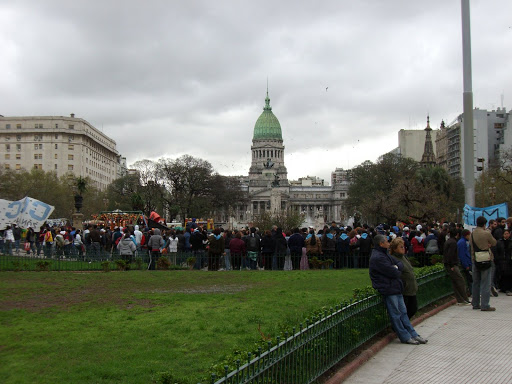
So the first day Jon got here, we went to the 1-year anniversary march protesting the disappearance of Jorge Julio Lopez (see my post on August 20th for a reminder.) This march was much bigger than the one I went to in August and got lots of international press coverage. There were thousands of people and it was hard to comprehend the scale.
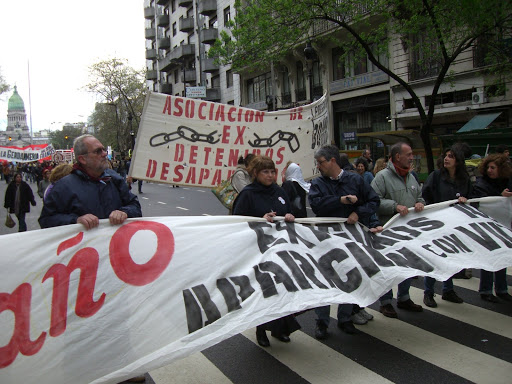
These are representatives from Cachito's organization.
Because we couldn't get a really clear view at the entire march, Jon proceeded to climb up a lamp post and take pictures over the crowd. Hence, we have this picture:
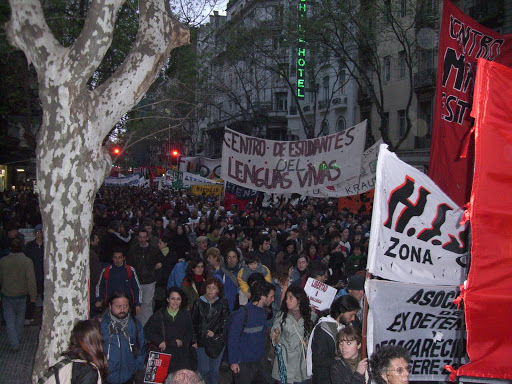
The march spanned Avenida de Mayo between the Congress building and the Plaza de Mayo where the president's house is.
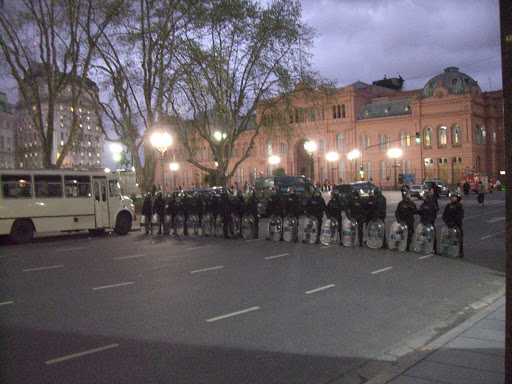
Riot police always ready to lend a hand.
We also did a ton of walking around the city, seeing Plaza Italia, the Ecological Reserve, all of the parks in Palermo, Canitas, the Hippodrome, La Boca, San Telmo, Recoleta, etc. I'm going to skip those pictures because I want more room for our trip to Rio. However I will say that Jon was incredibly lucky with the weather. I kept warning him that it was going to rain and literally the first day he got here, the weather became perfect and stayed that way until the day he left. I say this as I'm typing with the thunderstorm going on outside :)
On to Rio. Rio was one of the most beautiful cities I have ever traveled to. It's such a diverse city, socially, culturally, socio-economically, ethnically, etc. Brazil is known for it's unequal distribution of wealth and I don't think any place in Brazil demonstrates that more starkly than Rio. You will literally be driving through one of the nicest areas of town, past the American school with all of the Range Rovers and Mercedes out front. You will look across the street and directly across from the most wealthy people in Rio is a shantytown, known in Portuguese as a favela. Jon and I were lucky to go on a favela tour and learn about the social and cultural implications of having such a large population living in shantytowns, but I'll get to that in a bit.
First, we set out on a day of tourism to see some of the sites of Rio. I have always wanted to go up to the Christ the Redeemer statue so we did that the first full day we were there. Unfortunately, the weather was not as cooperative in Rio as it was in Buenos Aires, so a lot of the vista points turned out to be disappointments. Ah well, still fun though.
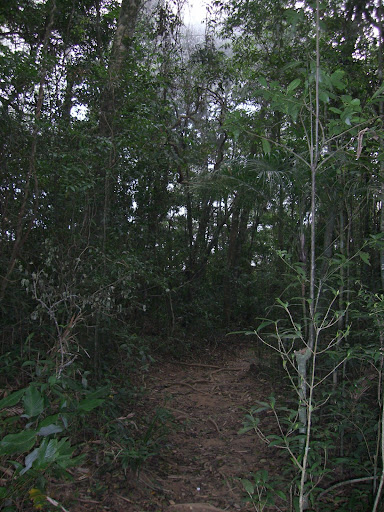
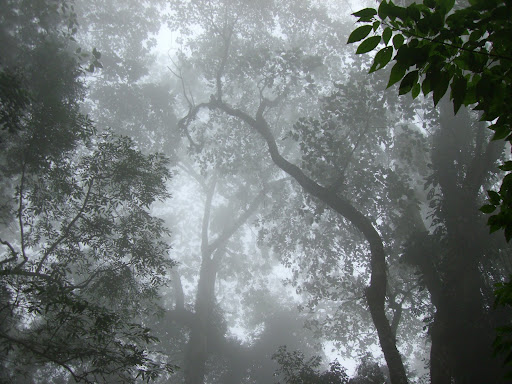
First, we did a hike through the Tijuca National Forest. It's literally inside of Rio city but you completely forget where you are.
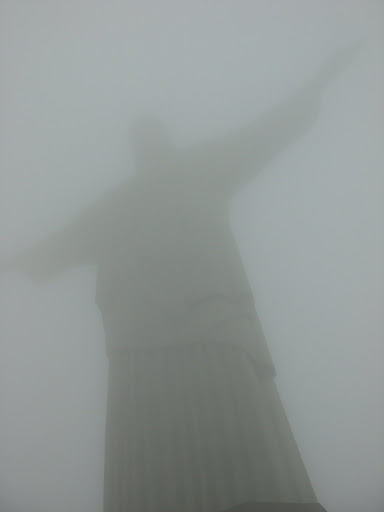
Then it was on to Christ the Redeemer. I had dressed for warm weather only to be confronted with wind, rain, and cold at the top of the mountain where Christ the Redeemer sits. I think these pictures are absolutely hilarious because they demonstrate that we, being DIRECTLY UNDER THE STATUE, could barely see it.
There's a really funny video which shows you just how windy it was up there that I'll try to put up at some point.
The next day, we went on a favela tour where we were able to go into Rocinha, the largest shantytown in South America. The tour was so enlightening especially because it dispelled a lot of misconceptions about people who live in shantytowns in Rio. First, the movie "City of God" really only shows the lifestyle of about 1% of people living in favelas who are involved in the drug trade. The other 99% of people are lower-income Brazilians just trying to get by. Second, favelas really are out of the Brazilian government's jurisdiction. There had been a lot of violence between police and the drug lords within the favela in recent weeks. However, the police really stay on the perimeter of the favela and don't go inside. Our tour guide told us that unless you have about 400 police officers entering a favela as part of a raid, the drug lords will simply push them out.
A huge theme of the tour that we went on was community development and education. We stopped to meet some local artisans in Rocinha and I was lucky to buy a fantastic painting from one of them.
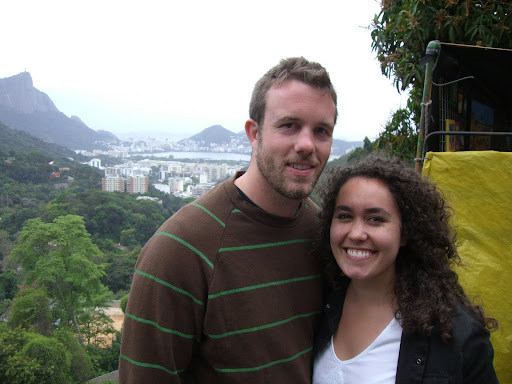
This is a view of Rio from inside Rocinha.
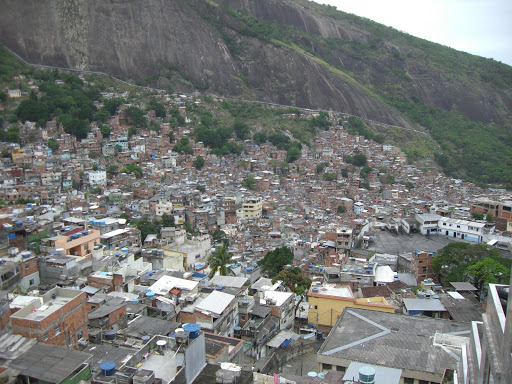
And this is the view down the mountain.
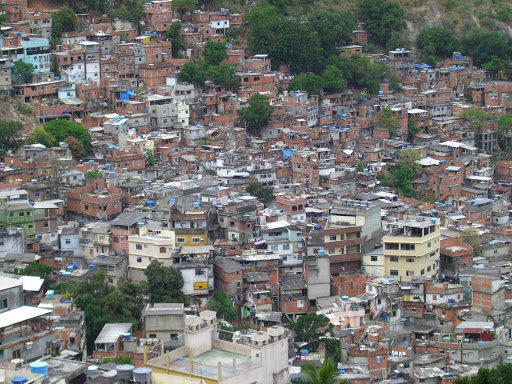
Another interesting thing about Rio is the land distribution and location of the rich and poor in the city. In most urban environments, the wealthy migrate up the hills to cleaner air and better views. In Rio, however, it's exactly the opposite. The shantytowns have developed up the sides of mountains and the luxury high rises sit lower, presumably closer to the beach.
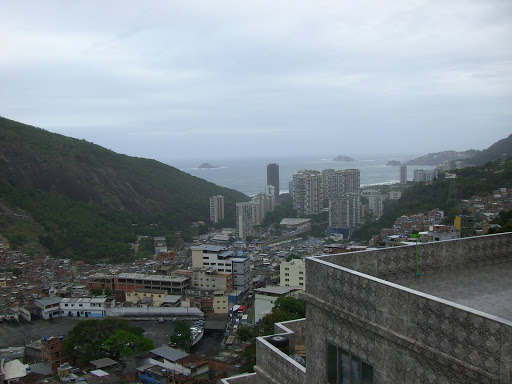
I think this picture is really telling because you can see the favela winding along the mountain and then you can see how the luxury apartment buildings start to spring up as you get closer to the beach.
After Rocinha, we went to a smaller favela whose name I am embarrassed to say, I don't remember. There we visited a community school called "Para Ti" and were actually able to walk through the narrow streets. This favela does not allow drug activity of any sort, so we were really able to get a good look around--a.k.a. significantly safer than Rocinha.
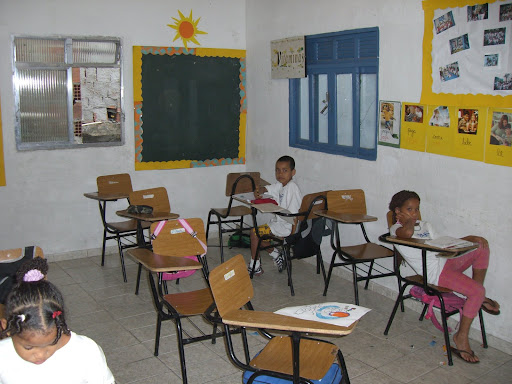
Children in class. They were such hams and so much fun. They were pretty used to tourist groups coming through so they all wanted to pose for pictures :)
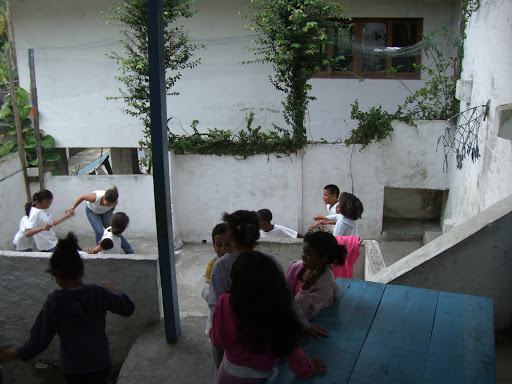
Playing outside in the courtyard.
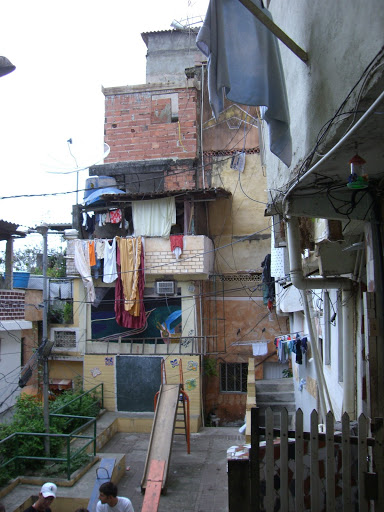
This is a park sponsored by the government.
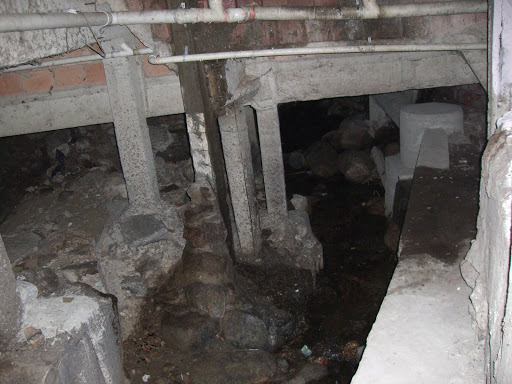
Plumbing system.
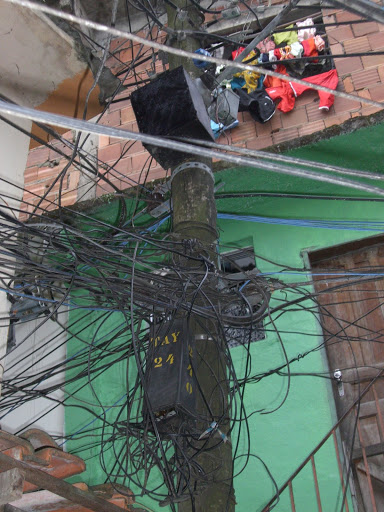
A "gato" or a main electrical hub.
We also did a lot of walking around, exploring Ipanema and Copacabana. On the last day, we went up to Sugar Loaf, which was so beautiful. It has views of the entire city.
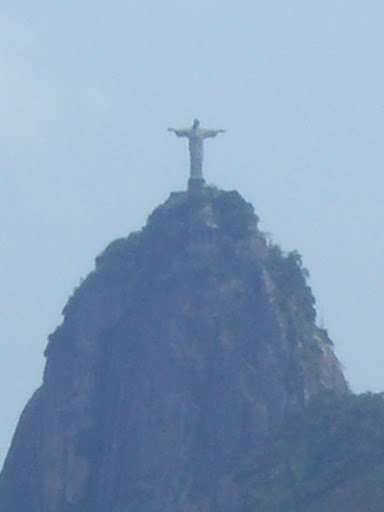
Oh, that's what the Christ is supposed to look like :)
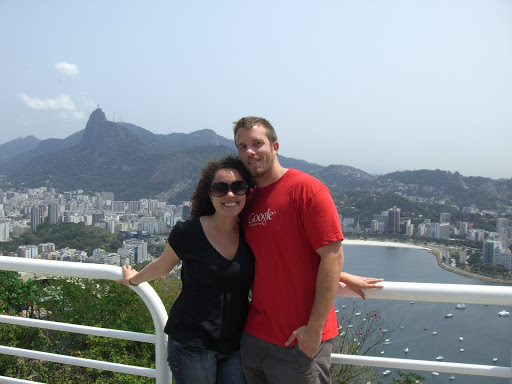
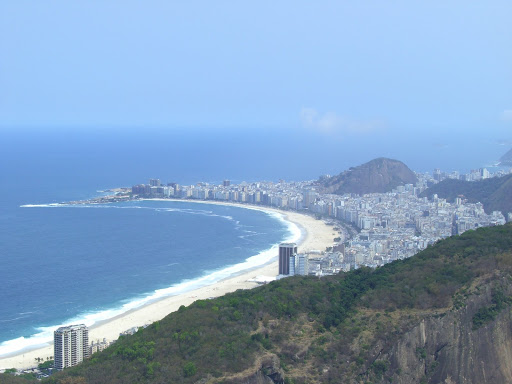
Rio is so beautiful!
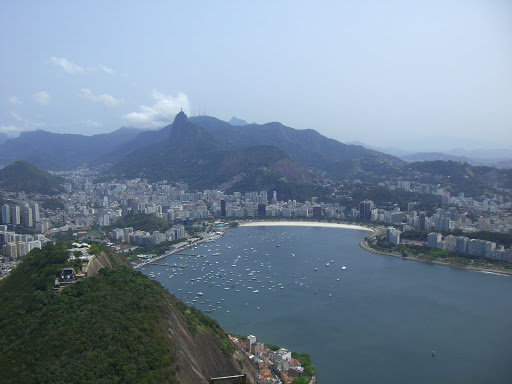
Then we headed back to Ipanema to get a coconut and spend some more time on the beach.

Leslie was very excited about her coconut.

On Jon's last day, we headed to Uruguay so he could get another stamp on his passport. I think it was determined through careful scrutiny that he's been to more countries than me, but I have more stamps. Point, Leslie.
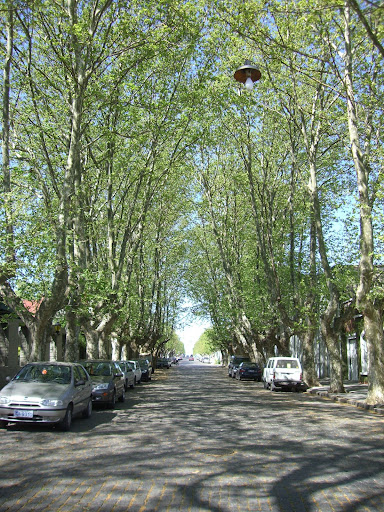
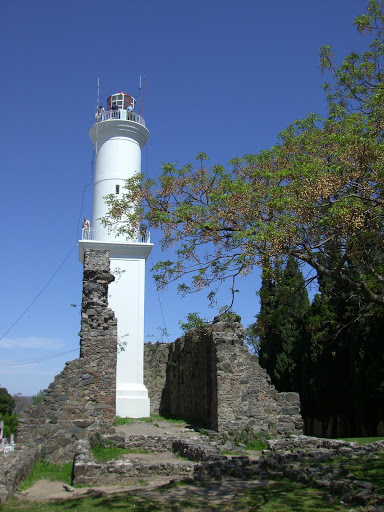
It was an absolutely beautiful day in Colonia.
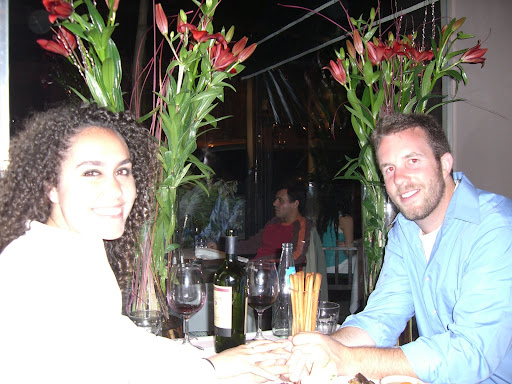
Then, it was dinner at La Cabrera because everyone has to go to La Cabrera when they're in Buenos Aires. The next day, Jon was back to California, back to work, back to reality, ha ha :)
So the first day Jon got here, we went to the 1-year anniversary march protesting the disappearance of Jorge Julio Lopez (see my post on August 20th for a reminder.) This march was much bigger than the one I went to in August and got lots of international press coverage. There were thousands of people and it was hard to comprehend the scale.
These are representatives from Cachito's organization.
Because we couldn't get a really clear view at the entire march, Jon proceeded to climb up a lamp post and take pictures over the crowd. Hence, we have this picture:
The march spanned Avenida de Mayo between the Congress building and the Plaza de Mayo where the president's house is.
Riot police always ready to lend a hand.
We also did a ton of walking around the city, seeing Plaza Italia, the Ecological Reserve, all of the parks in Palermo, Canitas, the Hippodrome, La Boca, San Telmo, Recoleta, etc. I'm going to skip those pictures because I want more room for our trip to Rio. However I will say that Jon was incredibly lucky with the weather. I kept warning him that it was going to rain and literally the first day he got here, the weather became perfect and stayed that way until the day he left. I say this as I'm typing with the thunderstorm going on outside :)
On to Rio. Rio was one of the most beautiful cities I have ever traveled to. It's such a diverse city, socially, culturally, socio-economically, ethnically, etc. Brazil is known for it's unequal distribution of wealth and I don't think any place in Brazil demonstrates that more starkly than Rio. You will literally be driving through one of the nicest areas of town, past the American school with all of the Range Rovers and Mercedes out front. You will look across the street and directly across from the most wealthy people in Rio is a shantytown, known in Portuguese as a favela. Jon and I were lucky to go on a favela tour and learn about the social and cultural implications of having such a large population living in shantytowns, but I'll get to that in a bit.
First, we set out on a day of tourism to see some of the sites of Rio. I have always wanted to go up to the Christ the Redeemer statue so we did that the first full day we were there. Unfortunately, the weather was not as cooperative in Rio as it was in Buenos Aires, so a lot of the vista points turned out to be disappointments. Ah well, still fun though.
First, we did a hike through the Tijuca National Forest. It's literally inside of Rio city but you completely forget where you are.
Then it was on to Christ the Redeemer. I had dressed for warm weather only to be confronted with wind, rain, and cold at the top of the mountain where Christ the Redeemer sits. I think these pictures are absolutely hilarious because they demonstrate that we, being DIRECTLY UNDER THE STATUE, could barely see it.
There's a really funny video which shows you just how windy it was up there that I'll try to put up at some point.
The next day, we went on a favela tour where we were able to go into Rocinha, the largest shantytown in South America. The tour was so enlightening especially because it dispelled a lot of misconceptions about people who live in shantytowns in Rio. First, the movie "City of God" really only shows the lifestyle of about 1% of people living in favelas who are involved in the drug trade. The other 99% of people are lower-income Brazilians just trying to get by. Second, favelas really are out of the Brazilian government's jurisdiction. There had been a lot of violence between police and the drug lords within the favela in recent weeks. However, the police really stay on the perimeter of the favela and don't go inside. Our tour guide told us that unless you have about 400 police officers entering a favela as part of a raid, the drug lords will simply push them out.
A huge theme of the tour that we went on was community development and education. We stopped to meet some local artisans in Rocinha and I was lucky to buy a fantastic painting from one of them.
This is a view of Rio from inside Rocinha.
And this is the view down the mountain.
Another interesting thing about Rio is the land distribution and location of the rich and poor in the city. In most urban environments, the wealthy migrate up the hills to cleaner air and better views. In Rio, however, it's exactly the opposite. The shantytowns have developed up the sides of mountains and the luxury high rises sit lower, presumably closer to the beach.
I think this picture is really telling because you can see the favela winding along the mountain and then you can see how the luxury apartment buildings start to spring up as you get closer to the beach.
After Rocinha, we went to a smaller favela whose name I am embarrassed to say, I don't remember. There we visited a community school called "Para Ti" and were actually able to walk through the narrow streets. This favela does not allow drug activity of any sort, so we were really able to get a good look around--a.k.a. significantly safer than Rocinha.
Children in class. They were such hams and so much fun. They were pretty used to tourist groups coming through so they all wanted to pose for pictures :)
Playing outside in the courtyard.
This is a park sponsored by the government.
Plumbing system.
A "gato" or a main electrical hub.
We also did a lot of walking around, exploring Ipanema and Copacabana. On the last day, we went up to Sugar Loaf, which was so beautiful. It has views of the entire city.
Oh, that's what the Christ is supposed to look like :)
Rio is so beautiful!
Then we headed back to Ipanema to get a coconut and spend some more time on the beach.

Leslie was very excited about her coconut.

On Jon's last day, we headed to Uruguay so he could get another stamp on his passport. I think it was determined through careful scrutiny that he's been to more countries than me, but I have more stamps. Point, Leslie.
It was an absolutely beautiful day in Colonia.
Then, it was dinner at La Cabrera because everyone has to go to La Cabrera when they're in Buenos Aires. The next day, Jon was back to California, back to work, back to reality, ha ha :)


No comments:
Post a Comment